
Summer reading with a toddler doesn’t mean trying to get through a certain number of books before September.
At this age, reading together, talking about pictures, singing rhymes, playing with sounds and letting your child choose favourite books all count as early literacy. Even 5 or 10 enjoyable minutes at a time can become part of your summer routine.
If you’re in Calgary, summer 2026 also gives you some free ways to make reading more exciting. Calgary Public Library’s Ultimate Summer Challenge runs from July 1 to August 31. It includes children ages 0–5, while programs such as Baby Rhyme Time and Family Storytime add songs, rhymes and social interaction to the experience.
So grab a few books, visit your local library and keep it fun. Your toddler doesn’t need a summer reading assignment. They need positive experiences with books and language.
Our two main childcare services include flexible drop in daycare and dependable Regular hours daycare in Calgary for busy families.
Why Summer Reading Matters for Little Kids
When we talk about summer reading, it’s easy to picture a school-age child trying to keep their reading skills sharp during vacation.
For toddlers, it’s different.
They’re still building the skills that come before independent reading.
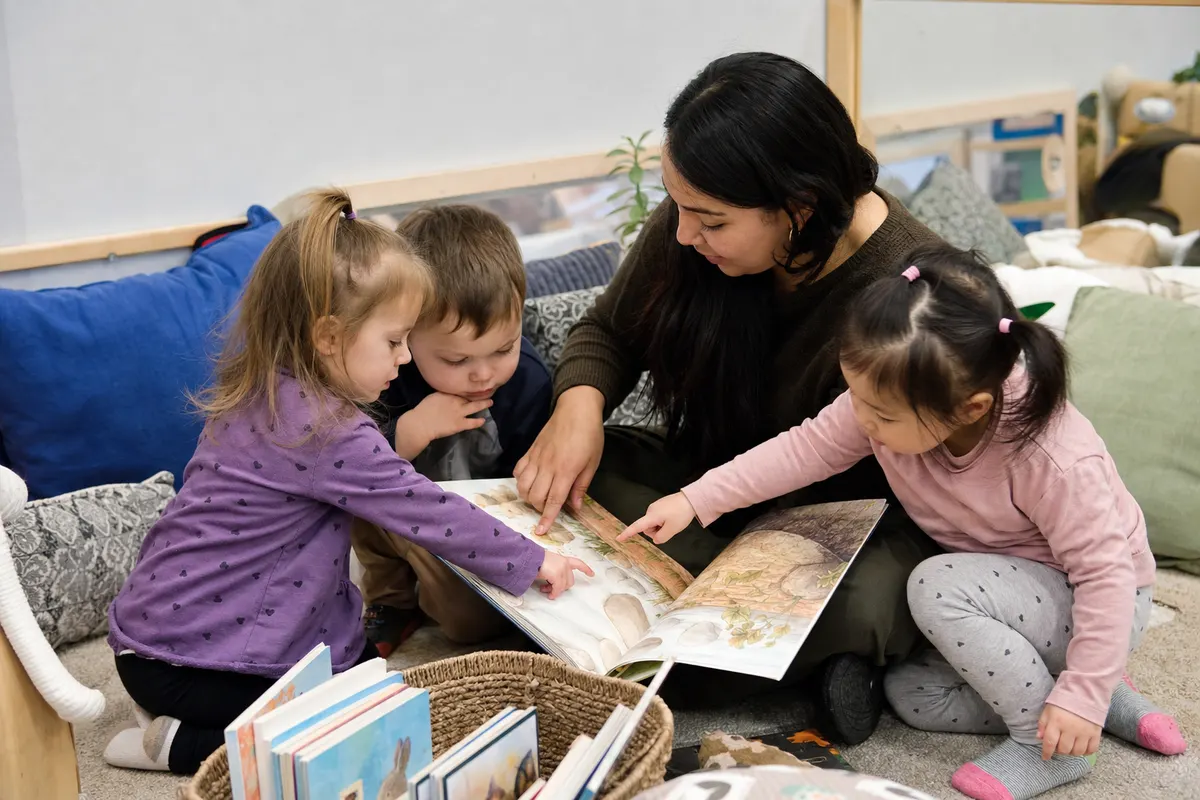
When you read together, your child hears new words, learns how stories work, connects pictures with language, and discovers that books can be enjoyable.
And reading doesn’t need to be the only literacy activity.
For pre-readers ages 0–5, Canada’s TD Summer Reading Club highlights five simple early-literacy practices:
Play. Talk. Sing. Write. Read.
These activities help children interact with language in different ways.
For example, singing helps children notice the sounds and rhythms in words. Talking exposes them to vocabulary. Scribbling and drawing introduce the idea that marks can communicate meaning.
That’s why a good early literacy summer can include much more than sitting quietly with books.
Sing in the car.
Tell stories during a picnic.
Look for letters on signs.
Talk about what you saw at the zoo.
Then read a book before bed.
It all connects.
We offer daycare programs in Calgary for different age groups, including:
Calgary Public Library’s Summer Program (How to Join)
For Calgary families, one of the easiest places to start is the Calgary Public Library Ultimate Summer Challenge.
The 2026 challenge runs from July 1 through August 31, and the idea is refreshingly simple:
Read every day this summer.
It’s open to all ages, including babies and toddlers.
Families can participate in a few different ways:
- Register for the Ultimate Summer Challenge through Beanstack.
- Create your account and reader profile. You can add multiple readers to one profile.
- Pick up a summer Challenge map from a Calgary Public Library location or print one at home.
- Track your reading throughout the summer in Beanstack.
- Visit the Library as you make progress and take part in related programs and activities.
For every seven days of reading, families can also visit the Library to collect a new sticker for their Challenge map.
And yes, babies and toddlers really are included.
For 2026, Calgary Public Library has a separate ages 0–5 prize category, with prizes including book bundles and family memberships.
But with a toddler, don’t make the prize the main point.
If your child wants you to read Brown Bear every night for two weeks, that still counts as reading.
The challenge is a way to create the habit, not a competition to race through as many different books as possible.
Free Early-Literacy Programs for Babies & Toddlers (Rhyme Time, etc.)
You don’t have to do all your summer reading at home.
Calgary Public Library offers free early-learning resources and programs for young children across its locations.
Baby Rhyme Time
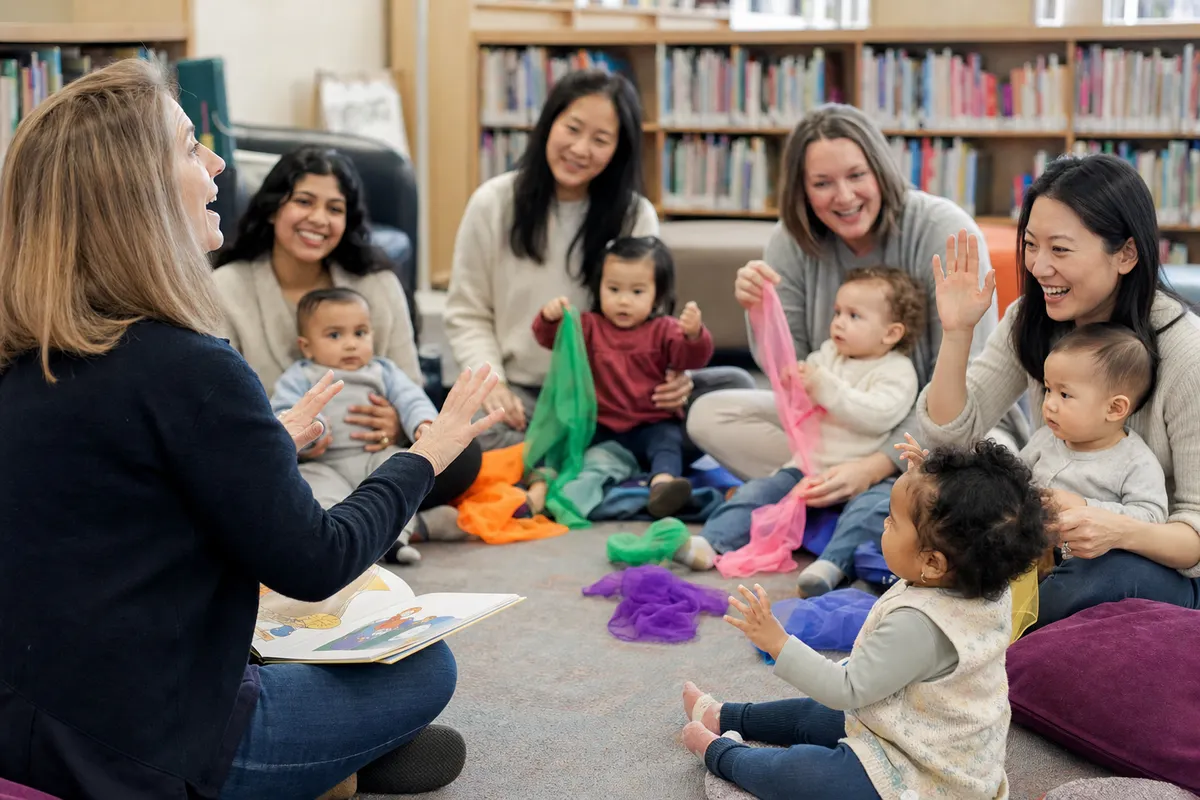
Baby Rhyme Time is specifically designed for babies ages 0–12 months with a caregiver.
Sessions combine songs, rhymes and stories, giving babies opportunities to hear language patterns while parents learn activities they can repeat at home.
During summer 2026, sessions are offered at multiple Calgary Public Library locations.
Availability and registration requirements vary by location and date. Some sessions require registration, some have waitlists, and others don’t require registration.
So check the current schedule before heading out.
Family Storytime
Once your child is a little older, Family Storytime is another useful option.
It’s designed for children ages 2–5 with a caregiver and includes stories, songs and finger plays.
That combination is great for early literacy because toddlers aren’t expected to sit silently through a long book.
They listen.
They move.
They sing.
They participate.
Early Learning Centres
You can also visit Calgary Public Library’s Early Learning Centres.
These spaces are designed for children ages 0–5 and use interactive, open-ended activities to encourage learning through play.
That makes a library trip more realistic for a toddler.
You can read two books, play for a while, explore the space and then choose a few books to take home.
It doesn’t have to look like an adult library visit.
What about the TD Summer Reading Club?
You may also come across the TD Summer Reading Club when searching for summer reading programs. If you are lining up other outings, we have also rounded up fun things to do with preschoolers in Calgary season by season.
It’s a free national bilingual program offered online and through participating Canadian public libraries.
For 2026, the TD Summer Reading Club website opened June 8 and includes resources specifically for pre-readers ages 0–5.
Its pre-reader materials include early-literacy ideas based around talking, singing, playing, writing and reading, plus book recommendations and activities.
So even if your toddler obviously isn’t independently reading yet, there’s still plenty they can participate in.
Easy Ways to Read Every Day With a Toddler
You don’t need to schedule a 30-minute reading lesson.
Attach books to moments that already happen. Reading fits neatly into the daily habits every child needs for healthy growth.
Morning: Keep a few board books near the breakfast or play area.
Before nap: Read one short book as part of the wind-down routine.
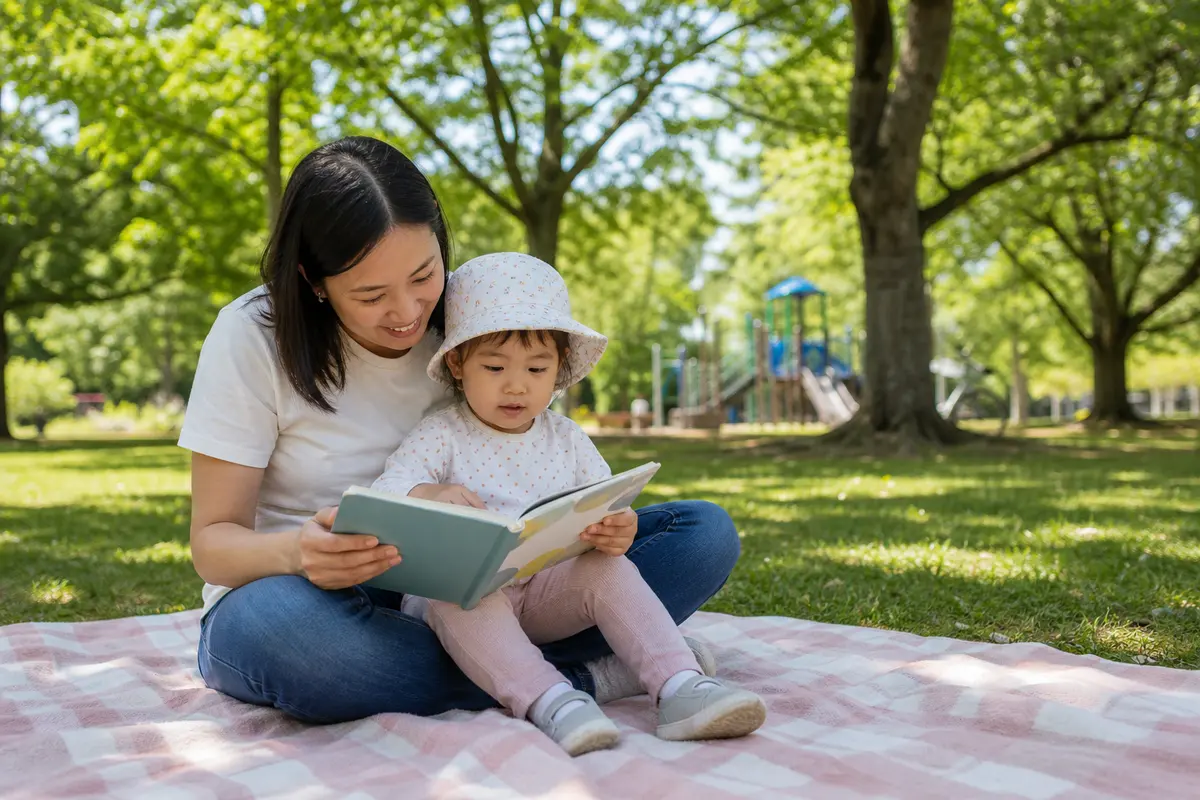
Outside: Bring a book to the park or backyard.
After daycare: Let your child choose a book while everyone decompresses.
Bedtime: Make one or two stories part of the usual bedtime routine.
And don’t worry if your toddler doesn’t sit still.
A 2-year-old may listen to half the story, walk away, bring you a stuffed elephant and then return three pages later.
You can still keep reading.
Talk about the pictures.
You don’t always need to read every word exactly as written.
Point to things:
“Look at that huge truck!”
Ask simple questions:
“Where’s the dog?”
“What do you think he’s doing?”
Let your toddler point, make noises and tell you what they notice.
That’s interaction with language too.
Bring the book into real life
If you read about bugs, look for bugs outside tomorrow.
If you read about construction vehicles, point them out when you see them.
If the story has a bear jumping up and down, stand up and jump together.
Books become more meaningful when children can connect them to their own experiences. A morning at one of Calgary’s best neighbourhood parks and playgrounds gives your toddler plenty of those real-world connections.
We currently provide daycare services in three main Calgary locations:
Best Book Types by Age (Board Books to Picture Books)
You don’t have to choose books based strictly on age, but different formats tend to work well at different stages.
| Age | Books to Try | What to Look For |
| 0–12 months | Sturdy board books | Faces, simple pictures, repetition, rhythm |
| 1–2 years | Board books, lift-the-flap books | Familiar objects, animals, actions, simple rhymes |
| 2–3 years | Short picture books | Repetition, humour, predictable phrases, everyday experiences |
| 3–4 years | Picture books with simple stories | Interesting characters, feelings, imaginative situations |
| 4–5 years | Longer picture books and simple nonfiction | Richer stories, questions, new vocabulary and favourite topics |
Follow your child’s interests too.
A beautifully illustrated award-winning story won’t help much if your toddler refuses to open it.
Meanwhile, a book containing 15 different excavators may become the greatest literary achievement in your household.
That’s fine.
Interest gets children into books.
You can gradually introduce more variety from there.
Keeping Reading Fun (Not a Chore)
One of the easiest ways to make a toddler dislike books is to turn every reading session into a lesson.
You don’t need to ask:
“What letter is this?”
“What colour is that?”
“What happened on page four?”
every 20 seconds.
Sometimes just read.
Let your child laugh at the pictures.
Let them turn the pages.
Let them choose the same book again.
Let them stop before the ending.
You can build literacy without constantly checking whether they’re learning.
Let your toddler choose
Give them two or three options:
“Do you want the dinosaur book or the farm book?”
A small choice gives your child some control without turning bedtime into a 20-minute bookshelf negotiation.
Repetition is okay
If you’re tired of the same story but your toddler isn’t, there’s a reason.
Familiar books let children predict what’s coming.
They may start finishing repeated phrases, remembering parts of the story and noticing details they previously missed.
That’s useful early-literacy practice.
Mix reading with play.
After a story, continue it with toys.
Build the character’s house with blocks.
Draw a picture.
Pretend to be the animals.
Make up a different ending.
At Clever Daycare, early literacy can naturally become part of play through stories, songs, conversations, pretend play and creative activities rather than feeling like a formal reading lesson.
If you’re looking for childcare in Calgary, you can talk with the Clever Daycare team about how stories, language and play-based learning fit into your child’s day. The same simple idea works at daycare and at home: make language part of everyday life and keep books enjoyable.
FAQ
Can toddlers join Calgary Public Library’s Ultimate Summer Challenge?
Yes. The 2026 Ultimate Summer Challenge is open to all ages, and Calgary Public Library specifically has an ages 0–5 category.
When is Calgary’s Ultimate Summer Challenge in 2026?
The challenge runs from July 1 to August 31, 2026. Families can register and track their reading through Beanstack.
Does reading to my toddler count if they can’t read yet?
Absolutely. For babies and toddlers, the adult does the reading. Listening to stories, looking at pictures, talking and interacting with books all support early literacy.
What is Baby Rhyme Time in Calgary?
Baby Rhyme Time is a Calgary Public Library program for babies ages 0–12 months and their caregivers. It includes songs, rhymes and stories. Locations, dates and registration requirements vary.
Are there library programs for 2- to 5-year-olds?
Yes. Calgary Public Library’s Family Storytime is designed for ages 2–5 and includes stories, songs and finger plays. Other early-learning programs and spaces may also be available.
Is the TD Summer Reading Club the same as Calgary’s Ultimate Summer Challenge?
No. The TD Summer Reading Club is a national bilingual Canadian program, while the Ultimate Summer Challenge is Calgary Public Library’s own summer challenge. Families can still use TD Summer Reading Club’s online resources, including materials for pre-readers.
How long should I read to my toddler every day?
There’s no need to force one long session. Short, enjoyable reading throughout the day works well for young children. Follow your toddler’s attention and build reading into routines such as nap time or bedtime.
What books are best for a 2-year-old?
Look for sturdy books with colourful pictures, repetition, rhymes, familiar subjects and relatively short text. Most importantly, follow your child’s interests.
Is it okay to read the same book every day?
Yes. Repetition gives young children opportunities to learn vocabulary, remember story patterns, predict what happens next and participate in familiar parts of the book.
What if my toddler won’t sit still for books?
That’s common. Keep reading sessions short and interactive. Let them point, move, make sounds and talk about pictures. You can also try books related to something they’re already very interested in.