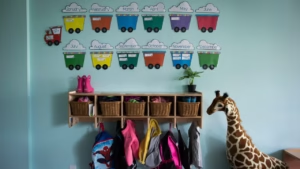
6 Signs Your Child Is Ready to Start Daycare
| Sign | What It May Mean |
| Comfortable spending short periods away from parents | Your child may be developing independence |
| Curious about other children | They may enjoy group activities and social interaction |
| Follows simple instructions | They can participate in daily daycare routines |
| Shows interest in exploring new environments | They may adapt more easily to a daycare setting |
| Can communicate basic needs | Staff can better support their daily needs |
| Has a somewhat predictable routine | Easier transition into a daycare schedule |
Every child becomes ready for daycare at a different pace. Readiness is usually less about age and more about emotional, social, and developmental signs. If you’re noticing some of the signs above, your child may be prepared for a positive daycare experience. Keep reading to learn what daycare readiness really looks like and how to make the transition easier.
Our daycare programs include both emergency daycare in Calgary and dependable Regular Hours Daycare to support different family schedules and needs.
Signs Your Child Is Ready for Daycare
Many parents wonder whether there’s a perfect age to start daycare. In reality, there isn’t one answer that fits every family. Instead of focusing only on age, it’s often more helpful to look at your child’s behaviours and comfort level.
Some common signs of daycare readiness include:
- Showing curiosity about other children
- Being able to stay with trusted caregivers for short periods
- Exploring new toys and environments independently
- Following simple directions such as “come here” or “sit down”
- Communicating basic needs through words, gestures, or expressions
- Handling small changes in routine without becoming overly distressed
It’s important to remember that children do not need to master every skill before starting daycare. Quality daycare programs are designed to help children continue developing these abilities over time.
Many Calgary parents are surprised to discover that their child adapts much faster than expected once they begin attending daycare regularly.
We provide age-based daycare services in Calgary for:
Shows Interest in Other Children
If your child watches, approaches, or tries to interact with other children at the park, in playgroups, or at family gatherings, it may be a sign that they are ready for more social experiences. Daycare provides daily opportunities to build friendships and learn important social skills.
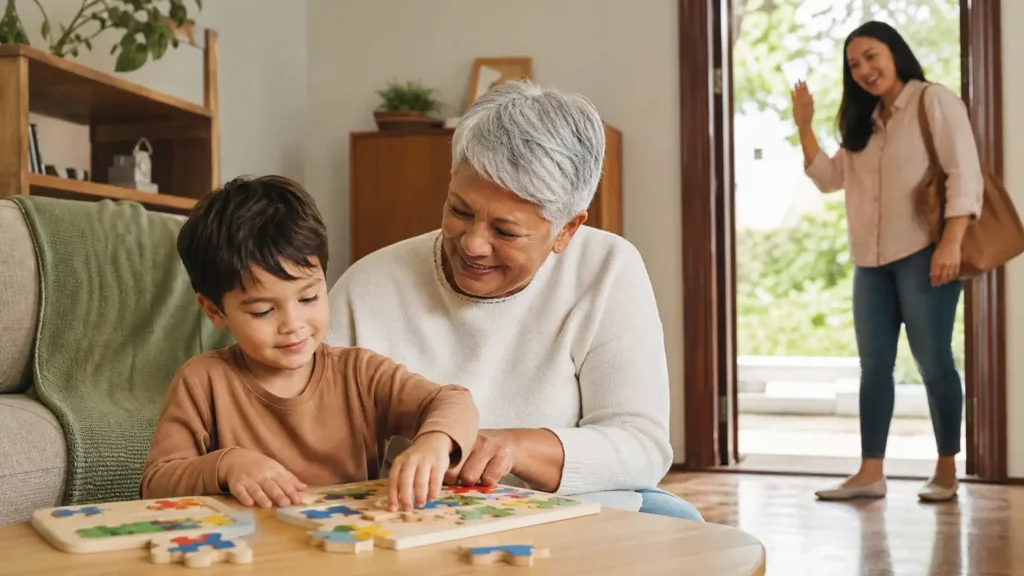
Can Spend Short Periods Away From Parents
Children who can comfortably stay with grandparents, relatives, or trusted caregivers for a short time often have an easier transition to daycare. While some separation anxiety is normal, being able to cope with brief separations can be a positive sign of daycare readiness.
Follows Simple Instructions
If your child can understand and respond to simple directions such as “put your toy away” or “come sit down,” they may be ready to participate in daycare routines. Following basic instructions helps children feel more confident during group activities.
Communicates Basic Needs
Children do not need perfect language skills before starting daycare. However, being able to express needs such as hunger, thirst, tiredness, or needing help can make the adjustment easier for both the child and caregivers.
Enjoys Exploring New Environments
Some children naturally show curiosity when visiting new places, meeting new people, or trying different activities. This willingness to explore often helps children adapt more quickly to a daycare setting.
Plays Independently for Short Periods
A child who can stay engaged with toys, books, puzzles, or activities for a few minutes without constant parent involvement may be developing the independence needed for daycare. Independent play is an important skill that supports confidence and learning.
Has a Predictable Daily Routine
Children who are becoming comfortable with regular meal times, nap schedules, and daily routines often adjust more smoothly to daycare. Consistent routines help children feel secure and know what to expect throughout the day.
Shows Curiosity and a Desire to Learn
If your child enjoys asking questions, exploring objects, listening to stories, or participating in simple activities, daycare can provide an environment that supports this natural curiosity. A love of learning is often a great sign that a child is ready for new experiences outside the home.
Daycare Readiness Checklist for Parents
Ask yourself these questions:
| Question | Yes or No |
| Can my child stay with another trusted adult for a short time? | |
| Does my child show interest in people outside our family? | |
| Can my child communicate basic wants or needs? | |
| Does my child participate in simple routines? | |
| Is my child curious about new toys and activities? |
If you answered “yes” to several of these questions, your child may be ready to begin exploring daycare.
At Clever Daycare, we often help parents assess their child’s daycare readiness and discuss whether full-time, part-time, or drop-in care is the best fit for their child’s current stage.
Social Skills That Suggest Your Child Is Ready for Daycare
Social development is one of the strongest indicators of readiness for daycare.
Children don’t need to be outgoing or highly social before enrolling. However, certain social behaviours can make the transition smoother.
Some positive signs include:
- Watching and observing other children with interest
- Participating in simple group activities
- Taking turns occasionally
- Responding when adults speak to them
- Showing empathy when another child is upset
- Enjoying songs, stories, and circle time activities
Many toddlers begin learning social skills rapidly once they join daycare. The goal isn’t perfection before starting. Instead, daycare provides an environment where these skills can continue developing naturally.
Parents sometimes worry because their child is shy. In most cases, shyness alone is not a sign that a child isn’t ready for daycare. Many shy children thrive once they become familiar with the environment and caregivers.

What if my child cries at drop-off?
This is one of the most common concerns parents have.
The truth is that crying at drop-off does not automatically mean your child is not ready for daycare.
Many children cry during the first few days or weeks as they adjust to a new environment and separation from their parents. This reaction is completely normal and often temporary.
To make drop-offs easier:
- Keep goodbyes short and positive
- Create a consistent morning routine
- Avoid sneaking away without saying goodbye
- Stay calm and confident
- Build trust with your child’s educators
In many cases, children settle within minutes after their parent leaves.
If crying continues for an extended period or becomes more intense over time, daycare staff can work with parents to develop a personalized transition plan.
A supportive daycare team can make a huge difference during this adjustment period. At Clever Daycare, we regularly help families navigate separation anxiety and build confidence during the transition process.
How do I test daycare readiness?
If you’re unsure whether your child is ready for daycare, there are several simple ways to evaluate readiness before making a decision.
Try Short Separations
Leave your child with a trusted family member or caregiver for a short period and observe how they respond.
Attend Group Activities
Library story times, playgroups, and community programs can help you see how your child reacts around other children and adults.
Practice Following Routines
Introduce simple daily routines such as snack time, cleanup time, and independent play periods.
Encourage Independent Play
Children who can engage in short periods of independent play often adapt more comfortably to daycare environments.
Schedule a Daycare Visit
Visiting a daycare can help both parents and children become familiar with the environment before enrollment.
If you’re still uncertain, speaking with experienced childcare professionals can help you assess your child’s unique situation and determine whether now is the right time to start.

Need Help Deciding if Your Child Is Ready for Daycare? Talk to Clever Daycare
Every child develops differently, which means daycare readiness looks a little different for every family.
If you’re wondering whether your child is ready for daycare, our team at Clever Daycare is happy to help. We can discuss your child’s developmental stage, personality, routines, and comfort level to help you make a confident decision. Whether you’re considering regular daycare or flexible drop-in care, we’ll help you find an option that supports both your child’s growth and your family’s needs. پ
We currently provide daycare services in three main Calgary locations:
FAQ
Does my child need to be potty trained before starting daycare?
Not necessarily. Many daycare programs care for children who are still learning to use the toilet. Potty training requirements often depend on the child’s age group and the specific program.
Is there a best age to start daycare?
There is no universal best age. Readiness depends more on your child’s development, temperament, and family circumstances than on a specific age.
Can daycare help improve my child’s social skills?
Yes. Daycare gives children regular opportunities to interact with peers, practice communication, share, cooperate, and build friendships.
What if my child has never been away from me before?
Many children start daycare with little or no previous separation experience. Gradual transitions, consistent routines, and supportive educators often help them adjust successfully.
How long does it usually take a child to adjust to daycare?
Every child is different. Some adapt within a few days, while others may need several weeks to feel completely comfortable in their new environment.
Should I delay daycare if my child is shy?
Not necessarily. Shyness is a normal personality trait and does not automatically mean a child is not ready for daycare. Many shy children gain confidence through positive daycare experiences.
What are some signs that my child may need more time before starting daycare?
Extreme distress during short separations, significant difficulty with routine changes, or challenges communicating basic needs may indicate that a slower transition approach could be helpful. A childcare professional can help assess your child’s readiness more accurately.