Packing a healthy daycare lunch doesn’t mean creating a tiny Pinterest masterpiece at 6:30 every morning.
Most healthy daycare lunch ideas follow the same simple formula: include a fruit or vegetable, a protein source, and a whole-grain option when possible, and choose water as the main drink. For snacks, pairing two food groups — like fruit with yogurt or vegetables with hummus — is an easy way to make them more filling.
And before you pack anything, check your daycare’s food and allergy policy. A perfectly healthy lunch isn’t very useful if it contains something your centre doesn’t allow.
What Makes a Balanced Daycare Lunch
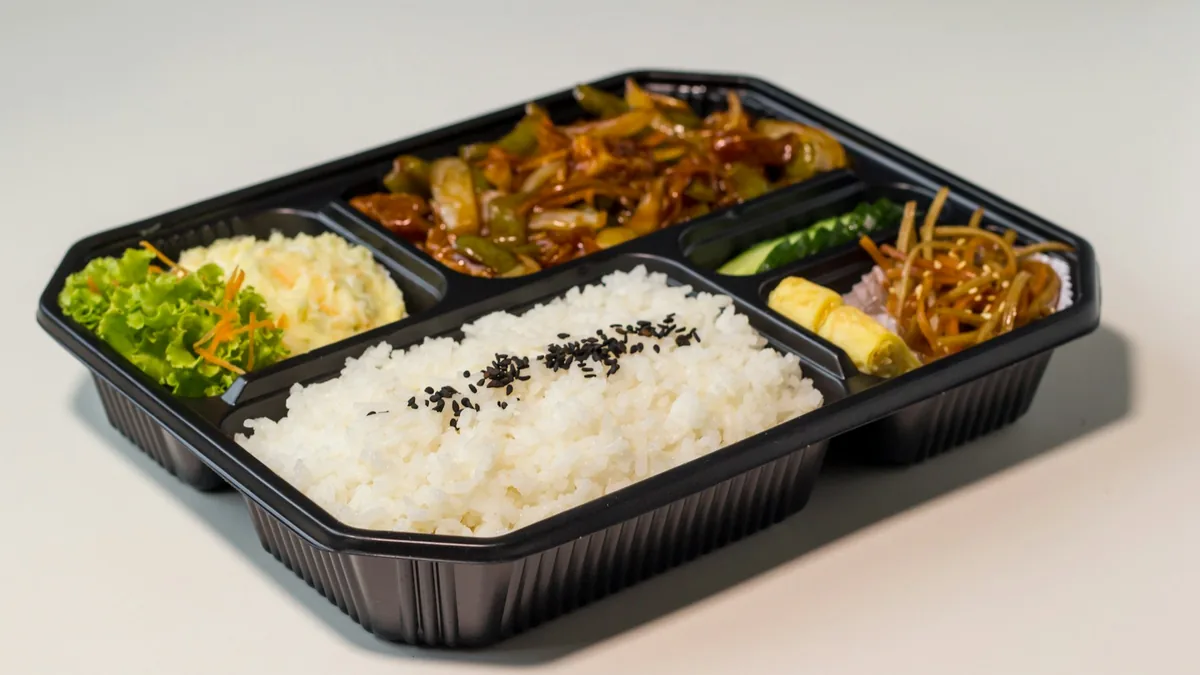
Canada’s Food Guide recommends regularly eating vegetables and fruits, whole-grain foods and protein foods, with water as the drink of choice. You can use the same approach when building a healthy lunchbox for kids.
| Add to the Lunch Box | Easy Examples |
|---|---|
| Vegetables or fruit | Berries, banana, cucumber, cooked carrots, sliced pear |
| Whole grains | Whole-grain bread, pita, tortilla, crackers or pasta |
| Protein foods | Egg, chicken, beans, lentils, hummus, yogurt or cheese |
| Drink | Water |
You don’t need every lunch to be perfectly balanced. Look at your child’s eating pattern over time rather than judging their nutrition by one half-eaten lunch box. Toddlers also have small stomachs, which is one reason nutritious snacks can be an important part of their day.
Keep portions toddler-sized
More food isn’t necessarily better. A huge lunchbox can be overwhelming for a young child, particularly if they’re already distracted by friends, conversations, and everything happening around them at daycare.
Start with manageable portions of familiar foods. You can adjust amounts based on what consistently comes home. And don’t worry if your child eats different amounts on different days. Appetite naturally changes.
Our two main childcare services include flexible drop in daycare and dependable Regular hours daycare in Calgary for busy families.
Easy, Nut-Free Healthy Daycare Lunch Ideas (by Food Group)
First, an important distinction: “nut-free” depends on your daycare’s policy. Some centres restrict peanuts and tree nuts. Others may have additional restrictions because of specific allergies within the centre. Always follow your own daycare’s rules and read ingredient labels carefully. Once you know what’s allowed, nut-free daycare lunches don’t have to be repetitive. Here are some combinations you can rotate:
| Lunch Idea | Fruit or Vegetable | Protein | Grain/Starch |
|---|---|---|---|
| Chicken pita | Cucumber + berries | Chicken | Whole-grain pita |
| Hummus wrap | Cucumber + peppers | Hummus | Whole-grain tortilla |
| Egg sandwich | Soft/cut vegetables + fruit | Egg | Whole-grain bread |
| Pasta lunch | Peas + sliced fruit | Cheese, beans or chicken | Whole-grain pasta |
| Bean quesadilla | Soft vegetables + fruit | Beans + cheese | Whole-grain tortilla |
| Yogurt + oat box | Berries + cucumber | Greek yogurt | Whole-grain oat bites |
| Deconstructed sandwich | Cucumber + pear | Cheese + chicken | Whole-grain crackers |
Think in combinations rather than recipes. If your child won’t eat sandwiches, you don’t have to spend the next three years trying to convince them. Pack the ingredients separately. Whole-grain crackers, cheese, chicken and sliced cucumber can provide many of the same components without technically being a sandwich. That’s often one of the easiest tricks for creating easy toddler lunch ideas.
We offer daycare programs in Calgary for different age groups, including:
- infant daycare in Calgary
- Toddler childcare in Calgary
- Preschool daycare in Calgary
- Kindergarten childcare in Calgary
Quick Healthy Snack Ideas
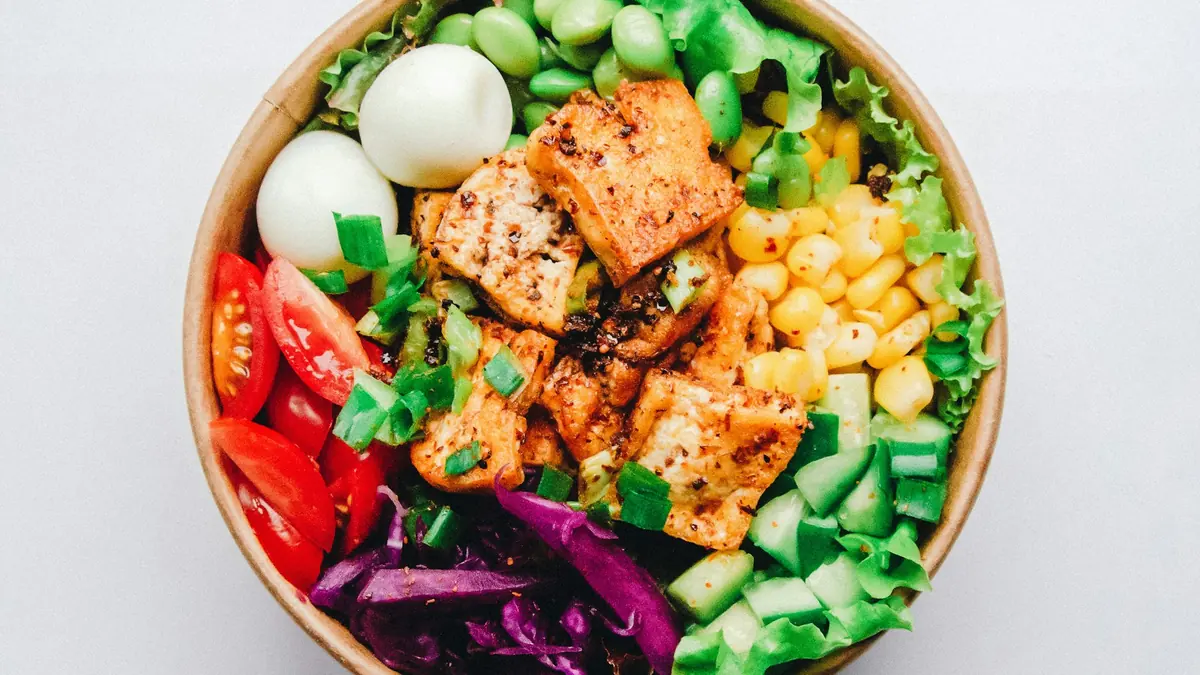
A good daycare snack doesn’t need eight ingredients. Alberta Health Services suggests combining foods from two food groups for childcare snacks. That gives you plenty of easy options. Try combinations such as:
- Sliced pear with cheese
- Banana with yogurt
- Applesauce with whole-grain crackers
- Berries with plain or lower-sugar yogurt
- Soft vegetables with hummus
- Whole-grain toast with an allowed seed or soy spread
- Fruit with a hard-boiled egg
- Whole-grain crackers with cheese
- Oatmeal with blueberries
Choose textures and preparation methods appropriate for your child’s age and chewing abilities. Predictable snack times are one of the daily habits every child needs, and they help children arrive at lunch with an appetite. You can also use leftovers. Last night’s roasted vegetables, chicken, pasta or homemade muffin may work perfectly well in tomorrow’s lunch box if stored and packed safely.
Foods to Avoid (Choking Hazards & Allergens)
“Healthy” doesn’t automatically mean “safe for a toddler.” Some nutritious foods can become choking hazards when they’re served in the wrong shape or texture.
Health Canada identifies hard foods, small round foods, and smooth or sticky foods as potential choking risks for young children. For children under 4, particular care is needed with foods such as whole nuts, popcorn, hard candies, gum and certain other hard or round foods. Preparation makes a big difference:
| Food | Safer Preparation for Young Children |
|---|---|
| Grapes | Cut into small pieces rather than serving whole |
| Hard raw apple | Grate or prepare in an age-appropriate softer form |
| Raw carrot | Grate or cook until softer |
| Hot dogs/sausages | Cook thoroughly and cut lengthwise and into appropriately small pieces |
| Fruit with pits | Remove pits completely |
| Hard vegetables | Cook, grate or cut appropriately for the child’s abilities |
Never rely on a list alone. Food should be prepared according to your child’s developmental abilities.
What about allergens?
An allergen isn’t the same thing as a choking hazard. Foods such as milk, egg, sesame, soy, wheat, peanuts, tree nuts, fish and shellfish can trigger allergic reactions in susceptible children. If your child has a known food allergy, make sure the daycare has accurate information and understands their allergy management plan.
You also need to think about other children’s allergies. If your daycare restricts peanuts, tree nuts, or other ingredients, check packaged food labels instead of assuming something is safe. Even foods that don’t obviously contain nuts may carry precautionary statements such as “May contain.” When in doubt, ask your daycare before packing it.
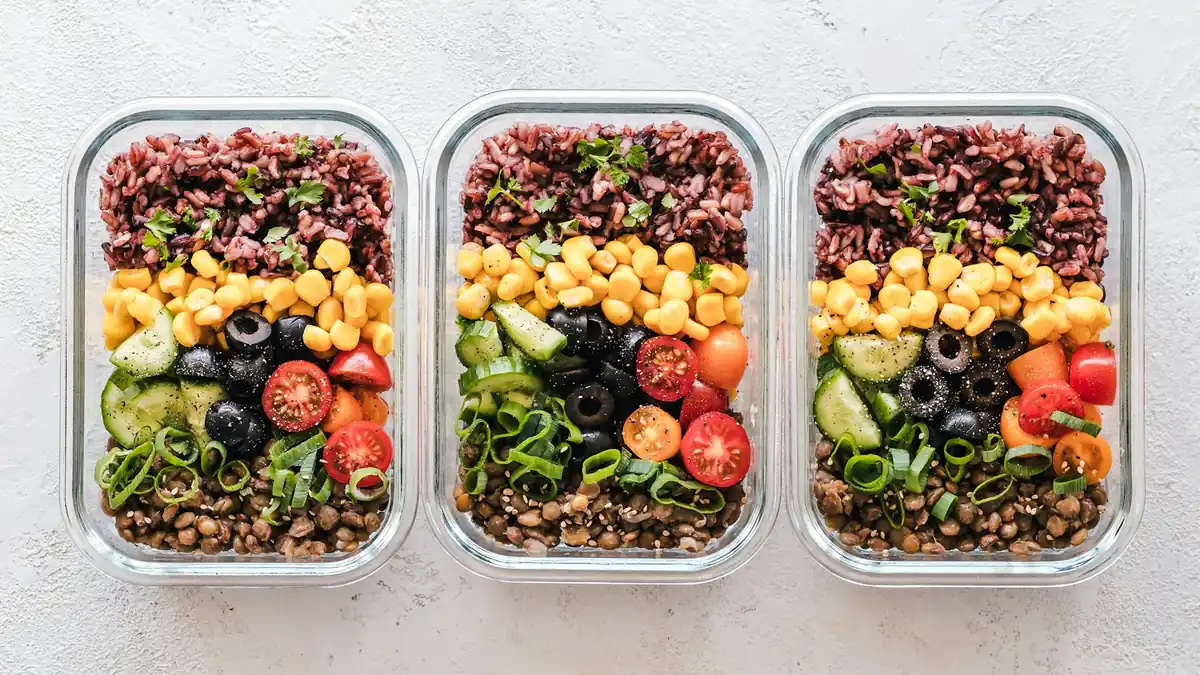
Packing Tips: Containers, Portions & Food Safety
The lunch has to stay safe between your kitchen and lunchtime. For foods that need refrigeration, Health Canada recommends using an insulated lunch bag with an ice pack or another frozen cold source. Cold food should stay cold. Hot food should stay hot.
A few practical habits make daycare lunches much easier:
- Use containers your child can manage. If they’re expected to open their own lunch containers, practise at home first.
- Label everything your daycare asks you to label. Containers, bottles and lunch bags can look surprisingly similar when 15 children bring them into the same room.
- Keep cold foods cold. Yogurt, cheese, eggs, meat, and other perishable foods require proper temperature control.
- Use an insulated container for hot meals. Follow your daycare’s policies about bringing and serving hot food.
- Pack realistic portions. Pay attention to what comes home untouched and adjust.
- Cut food before packing it. Pack food in a form your child can safely manage, rather than assuming it will always be cut or modified before serving.
And check what your daycare actually provides. Some childcare centres provide meals and snacks, while others require families to pack some or all food. Our own daycare nutrition program is a good example of what to ask about, and knowing the routine before your child’s first day prevents unnecessary packing and confusion.
We currently provide daycare services in three main Calgary locations:
Picky-Eater-Friendly Swaps
Your toddler suddenly hates the cheese they happily ate every day for six months. Welcome to feeding a toddler. Picky eating doesn’t mean every lunch needs to become a negotiation. One useful approach is to include at least one familiar food your child usually accepts alongside other foods, which is also the starting point for helping a picky eater toddler at home.
Then make small swaps rather than rebuilding the entire meal.
| If Your Child Refuses… | Try… |
|---|---|
| Sandwiches | Serve the fillings with crackers separately |
| Raw vegetables | Try softer cooked vegetables |
| Plain yogurt | Add familiar fruit |
| Meat | Try egg, beans, lentils, hummus or another suitable protein |
| Whole fruit | Change the cut, texture or presentation |
| Mixed pasta | Serve ingredients separately |
| A full wrap | Cut it into small pinwheels or serve components separately |
Try not to turn the lunch box into a test. Children sometimes need repeated opportunities to become comfortable with foods. Pressure, bargaining and making a big deal about how much they ate can make mealtimes more stressful. A positive eating environment matters too. Alberta Health Services specifically provides childcare guidance around pleasant meal and snack experiences and positive attitudes toward food.
Meals and Snacks at Clever Daycare
The healthy daycare lunch ideas above are a starting point, not a standard to live up to. At Clever Daycare, we know that nutritious meals and snacks are an important part of a child’s day. That’s why we partner with Top Meal to provide meals for our children, helping make nutritious and child-friendly food a consistent part of their daycare routine. You can read more in our health, safety and nutrition articles for parents.
If you’re considering childcare in Calgary, talk with the Clever Daycare team to learn more about our daily meal program, nutrition approach, and how we support your child’s individual dietary needs.
FAQ
What should I pack for my toddler’s daycare lunch?
An easy approach is to combine vegetables or fruit, a protein food and a whole-grain food. For example, you could pack a chicken and whole-grain pita with cucumber and berries.
What are some easy daycare snacks?
Fruit and yogurt, pear and cheese, vegetables and hummus, applesauce and whole-grain crackers, or fruit with egg are simple options. Choose foods and textures appropriate for your child’s age.
What can I pack for a nut-free daycare lunch?
Try eggs, beans, lentils, hummus, yogurt, cheese, chicken or other foods permitted by your daycare. Always check the centre’s allergy policy because “nut-free” requirements can differ.
Can I send peanut butter to daycare?
Only if your daycare allows it; many childcare settings have restrictions regarding allergies. Check the centre’s policy before sending peanut products, tree nuts or alternative spreads.
Are whole grapes safe for toddlers?
Whole grapes can be a choking hazard for young children. Health Canada recommends chopping grapes for safer serving. Make sure the size and preparation are appropriate for your child’s developmental abilities.
How do I keep a daycare lunch cold?
Use a soft insulated lunch bag or box with an ice pack or another suitable frozen cold source. Follow your daycare’s storage procedures as well.
What should I pack for a picky eater?
Include at least one familiar food they’re comfortable eating and add small amounts of other foods. You can also serve foods separately if your toddler dislikes mixed dishes.
What if my toddler doesn’t eat their daycare lunch?
One unfinished lunch usually isn’t a reason to panic. Look for patterns. Ask educators what your child eats during the day and whether timing, portions, distractions or particular foods seem to be affecting them.
Can I send leftovers for daycare lunch?
Often, yes, provided the food can be stored, transported and served safely and your daycare permits it. Check the centre’s food policies and use appropriate cold or hot storage.
What drinks should I pack for daycare?
Canada’s Food Guide recommends making water the drink of choice. Ask your daycare what drinks it provides and what families are expected or permitted to send.